
Bolton’s History comes to Life with My Place Walks
During the summer of 2026, walkers stepped back in time through an exciting programme of heritage walks across Bolton. Delivered by Live from Worktown CIC . The programme combined local history, physical activity and community engagement, demonstrating that some of the most fascinating stories about our past can be discovered not in books, but by exploring the places where history actually happened. The programme included walks in Bolton Town Centre, Turton, Harwood, Seven Acres Tonge with the Haulgh, Hall i’ th’ Wood and Queen’s Park.
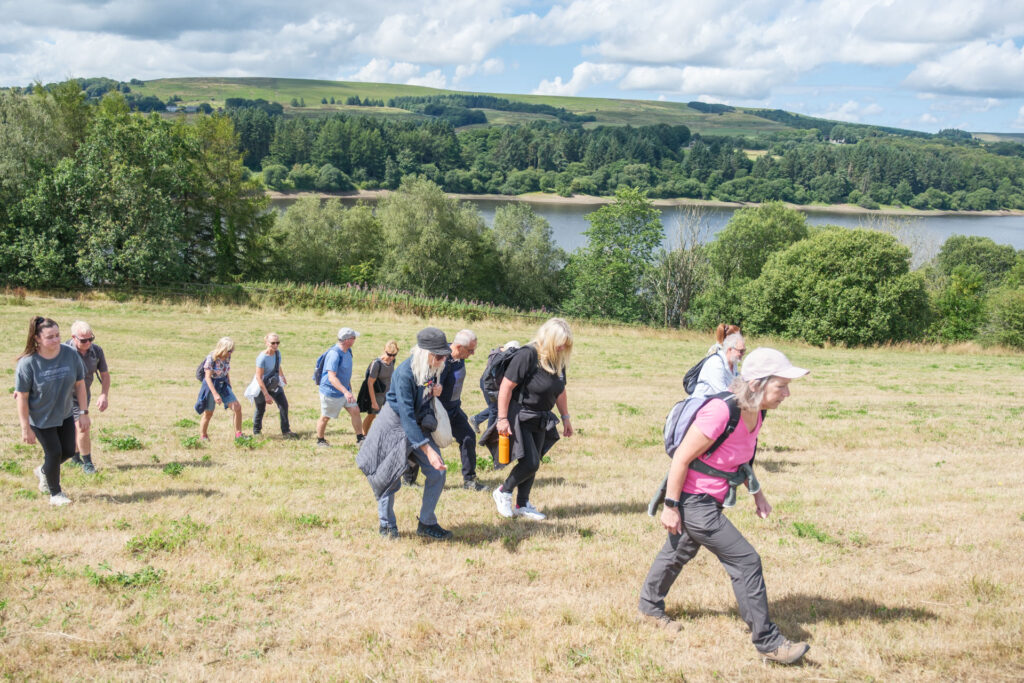
The aim of the project was simple but powerful: to encourage residents to become more active, reduce social isolation and strengthen their understanding of Bolton’s rich heritage. Across the programme, the over 200 places were soon filled. A number of people attended more than one walk, forming new friendships along the way.
One of the earliest walks in the programme took place in Queen’s Park and was specially adapted for ESOL learners. Participants explored the history of the Victorian park, learning about its origins as Bolton Park in 1866 and its later renaming in honour of Queen Victoria’s Diamond Jubilee. Along the route, walkers discovered historic features including the entrance lodges, sunken gardens, lakes, memorials and promenade terrace. The walk also explored themes of industry, migration and social history, helping participants gain a deeper understanding of Bolton while practising their English language skills in an enjoyable and informal setting. Many participants commented positively on learning about the history of the town they now call home.
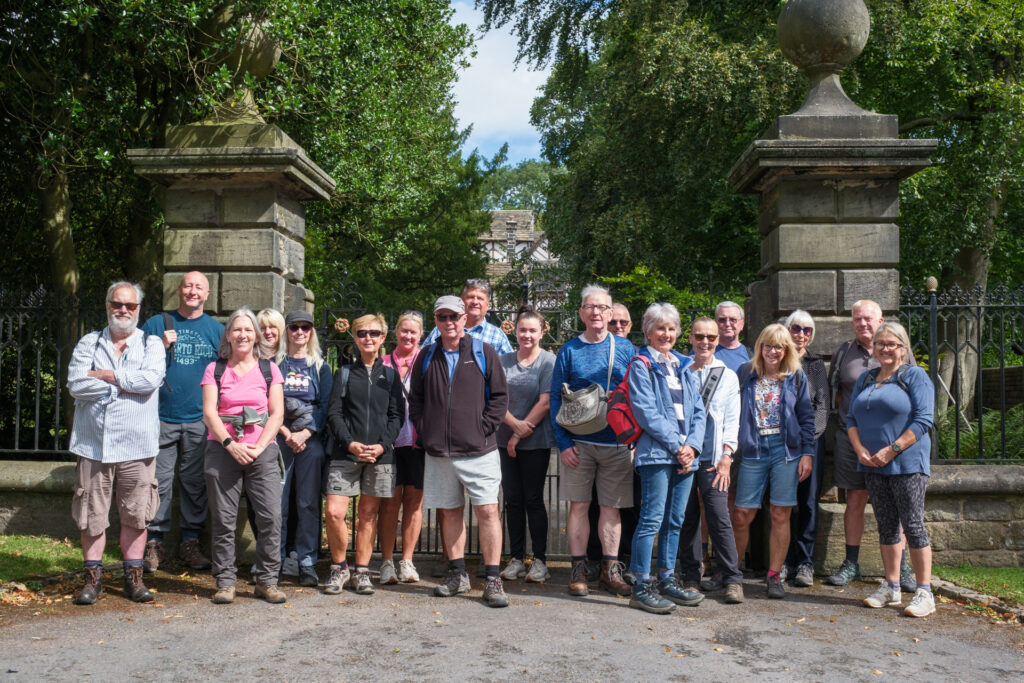
The Hall i’ th’ Wood heritage walks proved especially popular, attracting 43 participants over two events. These walks explored the historic landscape surrounding one of Bolton’s most important Tudor buildings and gave participants a unique opportunity to experience history in the very places where it unfolded. Feedback from attendees was overwhelmingly positive. Participants praised the quality of the information, the welcoming atmosphere and the opportunity to learn new facts about areas they thought they already knew well. Several walkers commented that despite having lived locally for many years, they discovered stories and locations they had never encountered before.
For our Seven Acres Country Park walk Started out from The Red Lane Growing Project, uncovered interesting local history along the way including four former bleach works, two gruesome tales connected to Breightmet Hall, A horse drawn fire engine race and Johnny Kidd & the Pirates! Despite its name, Seven Acres Country Park actually covers around 79 acres.
Further walks explored the fascinating history of Tonge with the Haulgh. This route revealed how the area evolved from a rural settlement into an important industrial community. Walkers followed canal routes, disused railway lines and historic roads while learning about local industries, housing developments and transport networks that transformed the district. Particular interest was shown in surviving historic features hidden within the modern landscape. Participants shared memories, family stories and local knowledge, adding a valuable personal dimension to the heritage experience. One participant even provided photographs, autographs and memories connected to Brazil’s 1966 World Cup training sessions in Bolton, demonstrating how community engagement can uncover remarkable pieces of local history.
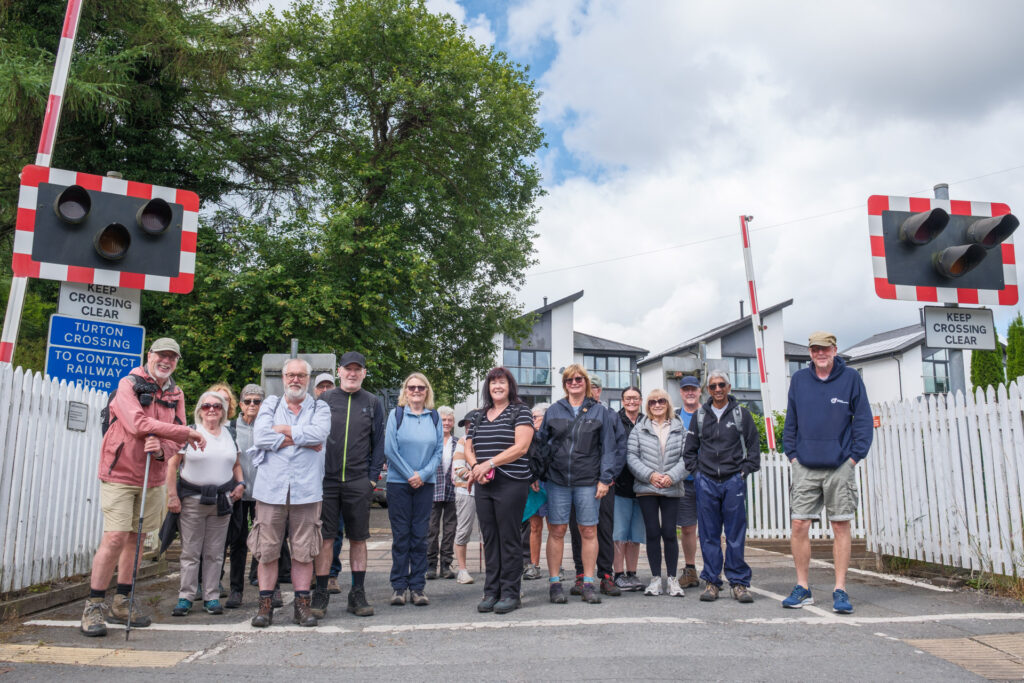
The programme also ventured into the countryside. In Turton, participants explored beautiful rural landscapes while learning about the industrial families who helped shape the area, including the Barlows and the Kays. The walk highlighted the relationship between industry, sport and the landscape, revealing how seemingly ordinary villages are connected to nationally significant stories. Many participants described the combination of stunning scenery and fascinating historical information as one of the highlights of the entire programme.
The more urban walk around Bolton town centre mentioned the Earl of Derby, Colonel Rigby, John Wesley, Churchill, Tony Booth, the Walsh family, Harry Goslin, James Billington, Billy Billington, Florence Geldard, Emmeline Pankhurst, Patrick McKenna, James W. Wallace, Minnie Whiteside, Walt Whitman, Maxine Peake, Tommy Lawton, Sarah Reddish, William Lever, Fred Dibnah, Charlie Chaplin, Daver Burnham, Pablo Fanque, Major John Pilkington, Queen Victoria, Sarah Corbett and John Lennon!
Meanwhile, the Harwood heritage walk took participants through an area rich in historical connections. Walkers heard stories stretching from Roman times and the English Civil War through to the cotton industry, the Second World War and more recent events. The walk demonstrated how layers of history remain visible in the landscape and helped participants understand how the past continues to shape local communities today.
Throughout the summer, feedback consistently highlighted the value of learning history while physically exploring the environment. Participants appreciated hearing stories in the places where they happened and many commented that heritage walks offer something that books, websites and museum displays alone cannot provide. The combination of exercise, fresh air, conversation and learning created an engaging and inclusive experience that appealed to people of all backgrounds and levels of historical knowledge.
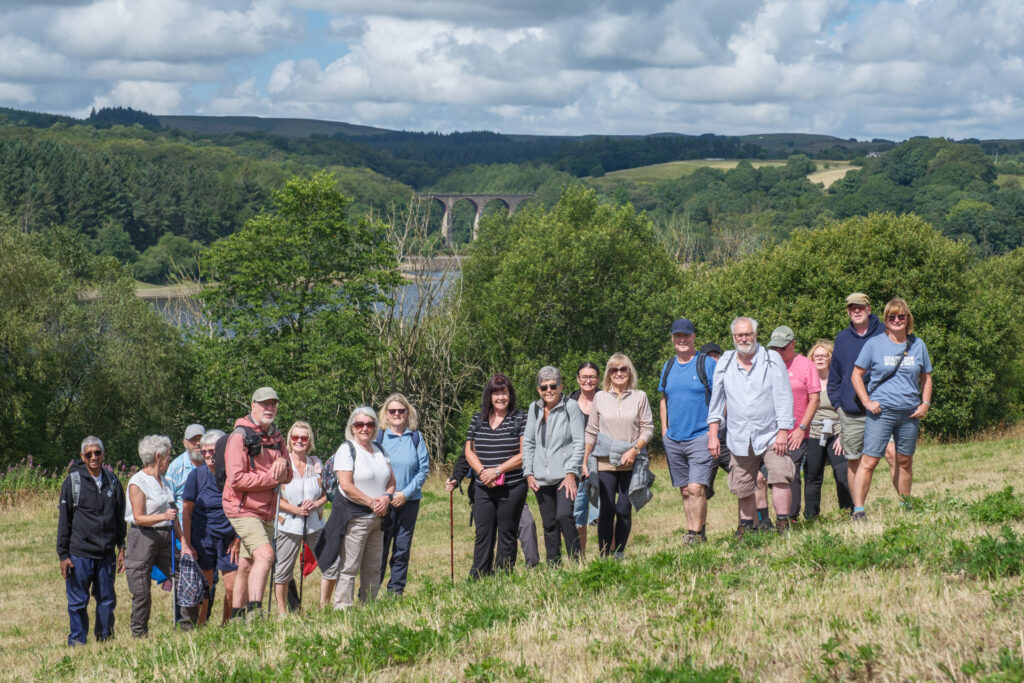
The success of the Summer 2026 Heritage Walk Programme shows that there is a real appetite for discovering local history through community-based activities. Whether exploring a Victorian park, walking through town centre streets, uncovering industrial heritage or enjoying the countryside, participants found themselves connected not only to the past but also to each other.
By Peter Firth, Director.